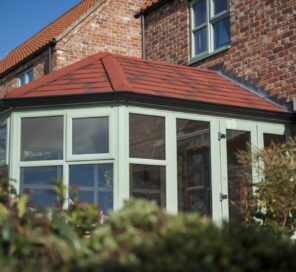
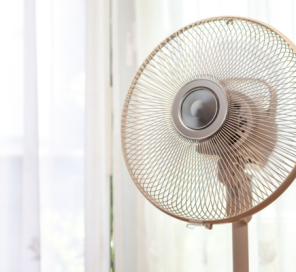
If your conservatory is freezing in winter, too hot in summer, noisy when it rains or affected by glare and condensation, the roof is usually the biggest weakness. Older glass and polycarbonate roofs can allow heat to escape in cold weather and solar heat to build up in summer, leaving the room uncomfortable for much of the year.
There is no single type of conservatory roof insulation that is best for every property. The right choice depends on the condition of the existing roof, how much natural light you want to retain, the available budget and whether you need to improve a sound roof or replace one that is already failing.
Which Conservatory Roof Insulation Is Best?
For an old, leaking or badly performing roof: a properly designed solid or lightweight tiled insulated replacement normally provides the most complete long-term improvement.
For a sound glass or polycarbonate roof: insulated replacement panels or a professionally designed internal insulated ceiling may improve comfort without replacing the whole conservatory.
For homeowners who want to retain overhead light: high-performance replacement glass or a hybrid design combining solid and glazed areas may be more suitable.
For glare or limited summer heat control on a smaller budget: blinds or solar-control film may help, but they should not be treated as equivalent to a complete insulated roof system.

Conservatory Roof Insulation Options Compared
| Option | Best suited to | Main advantages | Important limitations |
|---|---|---|---|
| Insulated replacement panels | Suitable existing frames holding glass or polycarbonate | Lightweight; replaces underperforming panels directly; can reduce glare and weather noise | Still relies on the existing bars, seals, drainage and supporting structure |
| Solid or lightweight tiled insulated roof | Old, leaking, noisy or badly performing roofs | Complete new roof build-up; strong year-round comfort; room-like internal finish | Higher investment; structural suitability and Building Regulations requirements must be checked |
| Internal insulated ceiling | Watertight roofs that remain structurally sound | Lower disruption; improved internal appearance; reduced glare and rain noise | Does not repair leaking panels, failed seals, drainage faults or structural defects |
| High-performance glass or triple glazing | Homeowners who want to retain maximum overhead light | Maintains a bright glazed appearance; solar-control specifications are available | The frame must support the selected units; opaque insulated systems generally offer stronger thermal and acoustic performance |
| Thicker replacement polycarbonate | Some existing polycarbonate roofs where the frame can accept the new panels | Lightweight; retains overhead light; usually lower cost than a complete solid roof | Usually performs below a complete insulated system and can remain noisy during rain |
| Solar-control film or blinds | Glare and limited summer overheating problems | Lower initial cost; retains the existing roof; limited installation disruption | Provides limited winter insulation and will not correct leaks or failed roof components |
What Does a Conservatory Roof U-Value Mean?
A U-value describes how readily heat passes through a building element. A lower figure generally indicates better resistance to heat loss. It can be a useful way to compare conservatory roof systems, but only when the figures describe equivalent, independently assessed build-ups.
Do not compare the advertised value of one insulation layer with the declared value for somebody else’s complete roof. The finished result is also affected by joints, glazing bars, roof edges, ventilation, vapour control and thermal bridges. Ask the installer for the declared U-value of the complete proposed system and evidence showing what that figure covers.
1. Insulated Conservatory Roof Panels
Insulated replacement panels are designed to take the place of existing glass or polycarbonate roof sections. They normally combine an external face, an insulating core and an internal finish within one manufactured panel.
This can be an effective option when the existing conservatory frame remains suitable for reuse. The panels are generally lightweight and can reduce temperature swings, glare and the sound of rain compared with ageing polycarbonate. Different internal finishes may also influence how bright or room-like the conservatory feels.
The condition of the surrounding roof still matters. New panels will not correct weak glazing bars, failed seals, blocked drainage or an unsuitable supporting structure. Before choosing a panel system, establish whether the quotation covers simple infill panels, a complete replacement panel system or wider work to the existing roof components.
2. Solid or Tiled Insulated Conservatory Roof
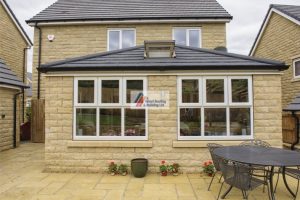
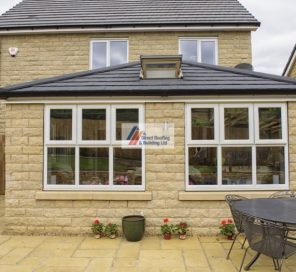
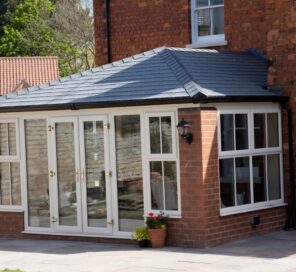
A solid insulated conservatory roof is normally the strongest option when the existing roof is old, leaking, noisy, damaged or approaching the end of its useful life. The existing glass or polycarbonate roof is removed and replaced with a new roof build-up, often finished with lightweight tiles externally and a plastered or panelled ceiling internally.
Because the complete roof is replaced, the design can address insulation, moisture control, weatherproofing, drainage, internal finishing and roof ventilation together. The result can feel more like a permanent room and should offer a larger improvement than simply treating the inside of a roof that is already failing.
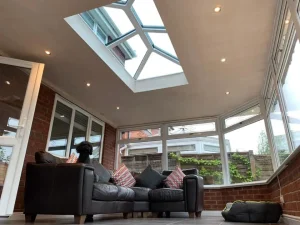
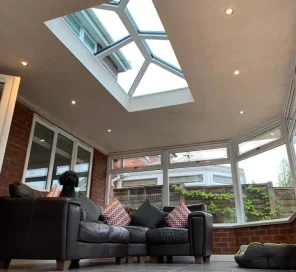
A tiled or solid roof reduces overhead light. Roof windows or carefully positioned glazed sections can sometimes be incorporated where additional daylight is important. The frames, walls and base must be assessed to confirm that they are suitable for the proposed system.
Learn more about solid conservatory roof replacement.
3. Internal Conservatory Ceiling Insulation
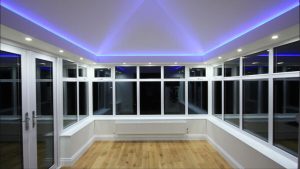
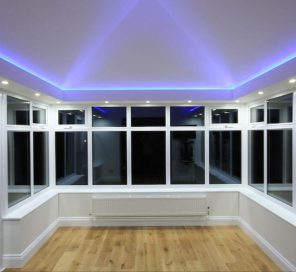
An internal insulated ceiling can be a practical choice when the existing roof is watertight, structurally sound and expected to remain serviceable. Insulation and an internal finish are installed beneath the existing roof, helping reduce glare, soften rain noise and make the room feel less temporary.
The exact build-up may use rigid insulation boards, reflective multilayer products, mineral wool or a combination of suitable materials. Product names and thicknesses do not tell the whole story. Continuous coverage, sealed joints, appropriate air spaces and a considered approach to moisture and ventilation are essential.
Internal insulation should never be used to hide active leaks, brittle panels, damaged bars or recurring damp. Those faults should be identified and corrected first. See how conservatory ceiling insulation differs from replacing the complete roof.
4. High-Performance Glass and Triple Glazing
Replacement glass can suit homeowners who want improved performance while preserving the bright, glazed character of the conservatory. Depending on the specification, modern units may combine improved thermal performance with coatings intended to reduce solar gain and glare.
Glass specifications vary considerably. The number of panes alone does not determine how the roof will perform; the coatings, cavities, spacer bars, seals and surrounding frame all matter. Heavier replacement units must only be installed where the existing structure has been assessed as suitable.
Glass retains more overhead light than an opaque roof, but it will generally provide a different balance of thermal and acoustic performance. It may remain the right choice where daylight and the traditional conservatory appearance are the main priorities.
5. Tinted Glass, Solar-Control Film and Roof Blinds
Tinted glass, specialist film and roof blinds can reduce glare and may help limit some summer solar gain. Film is particularly attractive where the budget is limited and the homeowner does not want to replace the existing roof.
These products should not be confused with complete insulation systems. They may improve a specific problem, such as glare or fading furnishings, without substantially addressing winter heat loss, weather noise, leaking seals or the condition of the roof itself.
If temperature control is the main objective, compare their documented performance with insulated panels, a professionally designed internal ceiling and a complete roof replacement before deciding.
6. Thicker Polycarbonate Roof Panels
Some polycarbonate roofs can accept thicker or better-performing replacement sheets. This can retain the lightweight construction and allow natural light into the conservatory while improving on old, thin or deteriorated panels.
Compatibility must be checked carefully. Thicker sheets may require different glazing bars or supporting components and may not fit the original roof system. Polycarbonate can also remain noisy during heavy rain and will not normally match the performance or internal appearance of an opaque insulated roof.
Existing sheets should be checked for brittleness, discolouration, damage and leaking seals. Where several parts of the old roof are failing, investing further in polycarbonate may offer poorer long-term value than a complete replacement.
Which Insulation Materials Are Used in Conservatory Roofs?
The material used depends on whether the project involves replacement panels, an internal ceiling or a complete new roof. Common components include:
Rigid PIR or Phenolic Boards
Rigid boards provide useful thermal resistance without requiring excessive depth. Their real-world performance depends on accurate cutting, continuous coverage and carefully sealed joints. Small gaps around bars and awkward junctions can weaken the completed result.
Insulated Sandwich Panels
Manufactured panels combine external and internal faces with an insulating core. The complete panel specification matters, together with the seals, bars and drainage system into which it is installed.
Reflective Multilayer Insulation
Reflective products can form part of an internal ceiling system where space is limited. They must be installed with the required air spaces and sealed joints. A foil layer on its own should not be assumed to perform like a complete insulated roof.
Mineral Wool
Mineral wool can provide thermal and acoustic insulation where there is sufficient depth and an appropriate roof design. It should not be compressed into an unsuitable void or installed where leaks and condensation could leave it damp.
What To Compare Before Choosing
- The declared U-value for the complete installed roof build-up
- Whether the existing roof, frames, walls and base are in suitable condition
- How gaps and junctions will be treated to limit thermal bridging
- How ventilation, condensation and moisture will be controlled
- How much natural light will remain after installation
- Expected rain noise and acoustic performance
- What external finish, internal ceiling, lighting and plastering are included
- Which product, workmanship and insurance-backed guarantees apply
- Who will handle any required structural design or Building Control process
Should You Insulate or Replace the Conservatory Roof?
The simplest way to decide is to separate a comfort problem from a roof-condition problem.
- Choose internal ceiling insulation when the roof remains sound and watertight and the main problems are heat, cold, glare, rain noise or internal appearance.
- Compare insulated replacement panels when the frame is suitable but the existing glass or polycarbonate panels are underperforming.
- Choose a complete solid or tiled replacement roof when there are leaks, brittle sheets, damaged components, recurring defects or a need for the most complete transformation.
- Consider high-performance glass or a hybrid design when retaining overhead daylight is a leading priority.
- Consider film or blinds when the roof is otherwise serviceable and the main problem is glare or limited summer overheating.
If the roof leaks, read our guide to deciding whether to repair or replace a leaking conservatory roof. You can also compare the two principal routes in our roof replacement versus insulation guide.
Building Regulations and Structural Checks
Changing a translucent conservatory roof to a solid roof can affect the building’s exemption status and may require Building Regulations approval. The requirements depend on the proposed work, the existing conservatory and whether it remains thermally separated from the house.
Before work starts, establish who will confirm the structural design and manage any required Building Control process. Building Regulations approval is separate from planning permission. The current government guidance explains when Building Regulations approval may be needed.
Roof windows, electrical work and changes to the opening between the conservatory and the main house may introduce additional requirements. Where there is uncertainty, check with the relevant local authority Building Control team before committing to the installation.
Will Conservatory Roof Insulation Stop Condensation?
Insulation can reduce condensation by making internal surfaces warmer, but it is not a guaranteed cure. Indoor humidity, ventilation, heating patterns, cold bridges, leaks and the design of the roof build-up all affect where moisture forms.
A quotation should explain how moisture will be managed rather than simply promising that thicker insulation will solve the problem. Active leaks and existing damp should be investigated before they are concealed behind a new ceiling.
How Much Does Conservatory Roof Insulation Cost?
The cost depends on the conservatory’s size and shape, the condition of the existing roof, the chosen system, access, internal finishing and whether electrical or structural work is needed.
Film and blinds normally have the lowest initial cost but provide limited insulation. An internal ceiling will usually cost less than a complete roof replacement because the existing roof remains in place. Insulated panel systems and solid roofs involve more extensive work but may offer better long-term value where the old roof is already failing.
When comparing quotations, check that each includes the same survey, insulation build-up, external finish, internal ceiling, electrics, waste removal, approvals and guarantees. For more detail, see our guide to conservatory roof replacement costs.
What Do Homeowners Notice After an Insulated Roof Is Fitted?
Direct Roofing & Building has more than 150 Google reviews, including feedback from numerous conservatory roof projects. Customers commonly describe cold, damp or underused conservatories becoming more practical rooms, together with improvements to appearance, glare and weather noise.
Every conservatory is different, so the result depends on the condition of the existing structure, the suitability of the chosen system and the quality of the installation. You can see recent feedback and completed-project experiences on our customer reviews page.
Frequently Asked Questions
What Is the Most Effective Way To Insulate a Conservatory Roof?
A properly specified solid or lightweight tiled warm-roof replacement generally provides the most complete improvement because it creates a new continuous roof build-up. If the existing roof is structurally sound and watertight, insulated replacement panels or an internal insulated ceiling may be more proportionate.
Are Insulated Conservatory Roof Panels Worth It?
They can be worthwhile when the existing frame is suitable and the glass or polycarbonate panels are the main weakness. The quotation should also assess the glazing bars, seals, gutters and surrounding structure rather than considering the panels in isolation.
Can a Polycarbonate Conservatory Roof Be Insulated?
Some polycarbonate roofs can be improved with thicker replacement sheets, insulated panels or a professionally designed internal ceiling. The roof should first be checked for brittle sheets, active leaks, damaged bars and failed seals.
Is Triple Glazing the Best Conservatory Roof Insulation?
Triple glazing can retain overhead light while improving on older glazing, but its performance depends on the complete unit and supporting roof system. An opaque insulated panel or solid roof will normally provide a different balance of thermal performance, rain noise and natural light.
Will an Insulated Roof Make the Conservatory Dark?
An opaque roof reduces overhead light, although conservatories normally continue to receive daylight through their windows and doors. Roof windows, selected glazed sections and light internal finishes can help retain brightness where the design and structure allow.
What Is the Cheapest Way To Insulate a Conservatory Roof?
Blinds and solar-control film usually have the lowest initial cost, but their winter insulation benefit is limited. An internal insulated ceiling is commonly less expensive than a complete replacement, provided the existing roof is suitable. The cheapest option is poor value if it hides leaks or leaves an ageing roof in place.
How Do I Compare Two Conservatory Roof Quotations?
Compare the complete specification rather than the insulation thickness alone. Check the declared whole-system performance, structural survey, moisture control, roof finish, internal ceiling, electrics, approvals, waste removal and written guarantees included in each quotation.
Not Sure Which Roof Insulation Is Right for Your Conservatory?
Direct Roofing & Building can inspect the existing roof, explain which options are suitable and provide a quotation based on the condition of your conservatory.
 OUR BLOG