Your conservatory should be a bright and relaxing space you can use throughout the year, not a room disrupted by leaks, damp patches or noisy rain. Leaks are one of the most common complaints from conservatory owners, especially where the roof is made from ageing polycarbonate, older glass panels or worn seals.
In many cases, a leaking conservatory roof is not caused by one single issue. Poor installation, deteriorating sealant, blocked gutters, cracked panels, failed flashing and inadequate conservatory roof insulation can all play a part.
So, how can you stop a conservatory roof from leaking? And when does a simple repair become a sign that the roof needs replacing? This guide explains the common causes, short-term fixes, warning signs and when a full conservatory roof replacement may be the better long-term solution.
Quick Answer:
Can You Stop A Conservatory Roof From Leaking?
A leaking conservatory roof can sometimes be repaired if the problem is caused by blocked gutters, failed sealant, loose glazing bars, damaged end caps or one cracked panel.
If the roof is old, repeatedly leaking, noisy, poorly insulated or affected by condensation, a repair may only be a short-term fix. In those cases, a full conservatory roof replacement may provide better long-term value.
The safest first step is to find out whether the leak is an isolated issue or a sign that the roof system is failing.
What Causes A Conservatory Roof To Leak?
A conservatory roof can start leaking for several reasons. Sometimes the cause is obvious, such as a cracked panel or blocked gutter. Other times, water enters in one place and appears somewhere completely different inside the room, which makes the source harder to find.
One of the most common causes is deteriorating roof sealant. Over time, UV exposure, wind, rain and cold weather can wear down the original seal, allowing water to pass through gaps around panels, joints and glazing bars.
Other common causes include cracked polycarbonate panels, slipping glazing bars, damaged end caps, poorly installed flashing and blocked gutters or downpipes. If you have a glass roof, failed glazing seals or small cracks can go unnoticed until heavy rain exposes the problem.
Condensation can also be mistaken for a leak. If your roof is poorly insulated, warm indoor air can meet the cold roof surface and create water droplets. This can collect around joints, seals and frames, making it look as though rainwater is getting in.
Common Causes Of Conservatory Roof Leaks
- Failed or cracked roof sealant
- Loose or slipping glazing bars
- Cracked polycarbonate panels
- Failed seals around glass panels
- Blocked gutters or downpipes
- Poorly fitted or damaged flashing
- Damaged end caps
- Ageing roof materials
- Condensation caused by poor insulation or ventilation
Is It A Leak Or Condensation?
Before trying to fix a leaking conservatory roof, it helps to work out whether the problem is actually rainwater or condensation.
If water appears during or shortly after heavy rain, the issue is more likely to be a leak. If droplets form across the inside of the roof, especially in cold weather, condensation may be part of the problem.
Condensation is common in older conservatories because the roof does not regulate temperature well. Warm air rises, hits the cold roof surface and turns into moisture. This can lead to damp patches, mould and water collecting around frames or seals.
It is also possible to have both problems at once. An ageing roof with poor insulation may suffer from condensation internally while also allowing rainwater through failed seals or damaged panels.
| Sign | Likely cause | What to do |
|---|---|---|
| Water appears after heavy rain | Roof leak | Check seals, panels, flashing, gutters and glazing bars |
| Droplets form across the inside of the roof | Condensation | Review insulation, ventilation and heating |
| Damp patches appear around one joint | Possible failed seal or localised leak | Inspect the joint externally and internally |
| Leaks keep returning in different places | Ageing or failing roof system | Consider a professional roof assessment |
If condensation is a regular issue, read our guide on how to prevent condensation in a conservatory. If the room is also too cold or too hot, conservatory ceiling insulation may be worth considering if the roof is otherwise in good condition.
Short-Term Fixes: Can You Repair a Leaking Conservatory Roof?
Yes, in some cases a leaking conservatory roof can be repaired. This depends on the cause of the leak and the condition of the existing roof.
If the roof is generally sound and the issue is localised, a repair may be enough. For example, a blocked gutter, small sealant failure or damaged end cap can often be dealt with without replacing the whole roof.
If the roof is old, brittle, poorly fitted or leaking in several places, repairs are more likely to be temporary. At that point, the leak is usually a symptom of a wider roof problem.
1. Check For Visible Signs Of Damage
The first step is to inspect the roof on a dry day. Look for visible gaps, loose panels, failed mastic, cracked sealant, damaged end caps, slipping glazing bars and signs of algae or moss. These can all indicate trapped moisture or weak points where water may be entering.
Do not climb onto the conservatory roof. Conservatory roofs are not designed to be walked on, and access can be dangerous. If the leak source is not easy to see from ground level or from inside the conservatory, use a professional roofer.
2. Replace Failed Sealant
Applying fresh roof sealant to gaps around joints, flashing or glazing bars can provide a short-term repair. The area must be clean and dry before application, otherwise the sealant may not bond properly.
Sealant is useful when the issue is isolated, but it should not be treated as a fix for a failing roof. If you keep resealing the same area, or new leaks appear elsewhere, the roof may need a more complete solution.
3. Check Gutters & Downpipes
Blocked gutters and downpipes can cause water to back up and overflow into weak points around the conservatory roofline. Leaves, moss and debris can collect quickly, especially after heavy rain or storms.
Clearing the drainage system may stop the leak if overflowing water is the cause. If water is still entering after the gutters are clear, the problem is likely to be with the roof, flashing or joints.
4. Replace Damaged Panels Or End Caps
On polycarbonate roofs, individual cracked panels or damaged end caps may be replaceable. This can be a practical repair if the rest of the roof is still in reasonable condition.
However, older polycarbonate can become brittle over time. If one panel has failed, others may be close behind. In that situation, replacing one part may only delay a larger upgrade.
Can You Seal A Conservatory Roof From Inside?
It is sometimes possible to apply sealant internally, but this is rarely the best way to fix a leaking conservatory roof. Internal sealant may reduce visible dripping for a short period, but it does not usually deal with the external point where rainwater is entering.
Sealing from the inside can also trap moisture inside the roof structure, especially if water continues to get in from outside. This can lead to further damp, staining or hidden deterioration.
A proper repair should identify the source of the leak externally. If the leak cannot be traced or keeps coming back, the roof should be professionally assessed before more money is spent on temporary fixes.
Repair Or Replace: Which Is Better For A Leaking Conservatory Roof?
The right option depends on whether the leak is isolated or part of a wider roof failure.
A repair may be enough if the roof is relatively new, structurally sound and leaking from one obvious place. Replacement is usually the better option if the roof is old, repeatedly leaking, noisy, poorly insulated or no longer making the room usable.
| Situation | Repair may be enough | Replacement is usually better |
|---|---|---|
| One small leak after heavy rain | Yes, if the roof is otherwise sound | Only if the issue keeps returning |
| Failed sealant around one joint | Yes | If several joints are failing |
| Blocked gutters or downpipes | Yes | Usually no |
| Cracked single panel | Possibly | If panels are old, brittle or stained |
| Repeated leaks in different places | Unlikely | Yes |
| Condensation and leaks together | Rarely enough | Often worth considering |
| Old polycarbonate roof | Short-term only | Often yes |
| Room is also too hot, cold or noisy | Will not solve comfort issues | Yes, if you want a year-round room |
Is Roof Maintenance Enough To Prevent Leaks Long Term?
Ongoing conservatory roof maintenance is one of the best ways to reduce the risk of leaks. Regularly clearing gutters, checking seals, inspecting joints and looking for panel movement after storms can help you catch minor issues early.
In the North West, where wind and rain are common throughout the year, conservatory roofs take a lot of wear. Older glass and polycarbonate systems often struggle as seals deteriorate and materials become less reliable.
Maintenance can help a sound roof last longer, but it cannot reverse age, poor installation or failing materials. If the same roof keeps leaking despite regular repairs, maintenance is no longer solving the real issue.
When Should You Consider A Replacement Roof?
You should consider a replacement roof if your conservatory is constantly leaking, always cold in winter, too hot in summer, noisy in rain or affected by recurring condensation.
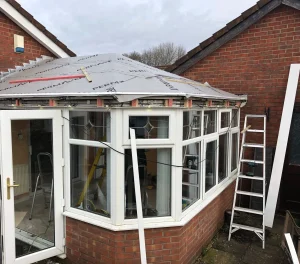
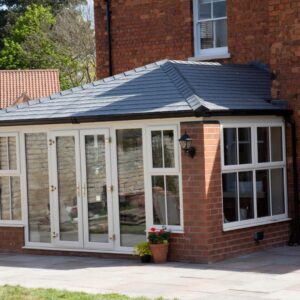
A full roof replacement can solve several issues at once. Instead of repeatedly patching leaks, you can replace the ageing roof with a modern insulated system designed to make the conservatory more comfortable and usable throughout the year.
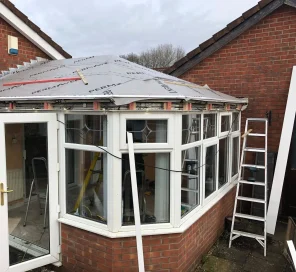
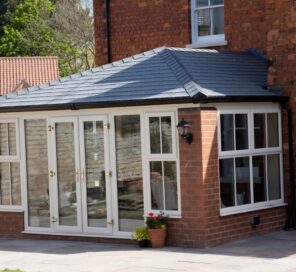
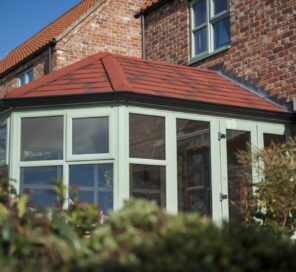
At Direct Roofing & Building, this usually means replacing an older glass or polycarbonate roof with a solid insulated conservatory roof. This can reduce leaks, improve temperature control, reduce rain noise and make the room feel more like part of the home.
When Repair Keeps Becoming Repeat Spend, Replacement May Be Better Value
If your conservatory roof keeps leaking, the issue may be the roof system itself rather than one failed seal. A solid insulated replacement roof can deal with water ingress, poor insulation, rain noise and year-round comfort in one project.
If you are unsure whether insulation or replacement is right for your conservatory, read our guide to conservatory roof replacement vs insulation.
Will Conservatory Ceiling Insulation Stop A Leak?
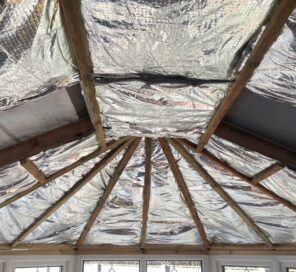
Conservatory ceiling insulation should not be used as a fix for an active leak. If water is getting through the external roof, the source of the leak needs to be found and repaired before any internal insulation work is considered.
However, if the existing roof is watertight and structurally sound, conservatory ceiling insulation may help with temperature control, glare, rain noise and condensation. It can be a suitable option where comfort is the issue, rather than roof failure.
If the roof is leaking, brittle, damaged or repeatedly repaired, a full replacement is usually a safer conversation to have first.
How Much Does It Cost to Fix A Leaking Conservatory Roof?
The cost of fixing a leaking conservatory roof depends on the cause of the leak. A blocked gutter or failed sealant joint will usually cost less to resolve than cracked panels, failed flashing or a roof that needs replacing.
The main cost factors include the size of the roof, the type of roof, how easy it is to access, the condition of the existing materials and whether the issue is isolated or recurring.
If the roof needs replacing, the cost will depend on the roof size, shape, chosen system, internal finish and whether any strengthening or remedial work is needed. For more detail, read our guide to conservatory roof replacement costs.
Don’t Let A Leaky Roof Ruin Your Conservatory
A leaking conservatory roof can feel like a never-ending frustration, but you do have options. Small leaks may be repairable, especially if the roof is otherwise sound. Repeated leaks, condensation, rain noise and year-round discomfort are usually signs that the roof needs a more permanent solution.
At Direct Roofing & Building, we help homeowners across the North West understand whether repair, insulation or full roof replacement is the right route. Our team can assess your conservatory and explain the most suitable option based on the condition of the roof.
Contact us today for a free, no-pressure quote and find out how to make your conservatory comfortable, dry and usable all year round.
Leaking Conservatory Roof FAQs
Can A Leaking Conservatory Roof Be Repaired?
Yes, a leaking conservatory roof can often be repaired if the issue is localised. Common repairs include replacing failed sealant, clearing blocked gutters, securing glazing bars or replacing damaged panels. If the roof is old or repeatedly leaking, replacement may be a better long-term solution.
How Do I Stop A Conservatory Roof From Leaking?
Start by identifying where the water is entering. Check gutters, downpipes, roof panels, flashing, glazing bars and sealant. Small issues may be repaired, but recurring leaks should be assessed by a professional because they may point to a failing roof system.
Can I Seal A Conservatory Roof From Inside?
You can sometimes reduce visible dripping by sealing from inside, but it is not usually a proper fix. The external source of the leak still needs to be found. Internal sealing can also trap moisture and hide the real problem.
Why Does My Conservatory Roof Leak In Heavy Rain?
Heavy rain can expose weak points in the roof, including failed sealant, blocked gutters, slipping glazing bars, cracked panels or poor flashing. Wind-driven rain can also push water into gaps that may not leak during lighter rainfall.
Is It A Leak Or Condensation?
If water appears during or after rainfall, it is more likely to be a leak. If droplets form across the inside of the roof during cold weather, condensation may be the cause. Poorly insulated conservatory roofs can suffer from both issues at the same time.
When Should I Replace A Leaking Conservatory Roof?
You should consider replacement if the roof leaks repeatedly, has ageing panels, suffers from condensation and noise, or makes the room too hot in summer and too cold in winter. Replacement is often better value than repeatedly repairing a failing roof.
 OUR BLOG