Do the plants in your conservatory keep wilting or dying no matter what you do? You’re not alone. This is a common problem caused by the extreme changes in temperature in your conservatory throughout the year. In winter, plants often don’t get enough warmth or sunlight, while in summer, they’re exposed to far too much heat and light.
Most traditional conservatories swing between these extremes because glass or polycarbonate roofs trap sunlight during the day, then lose warmth just as quickly once the temperature drops. Even the toughest of plants struggle to cope with these constant changes.
The good news is that your plant skills aren’t the problem, and neither are your plants. With a few smart adjustments, you can create a space where they actually thrive, not just survive, all year round.
Understanding What Your Plants Are Dealing With
Before rushing out to buy new plants, it helps to understand what’s really going on inside your conservatory. The space acts like a mini greenhouse, but without the same level of control over temperature, airflow, or humidity.
In summer, the temperature can shoot up to over 35°C, especially if your conservatory gets full sun. That might sound great for tropical plants, but it can actually cause leaf burn, dehydration, and stunted growth. Then winter arrives, and the temperature drops overnight, chilling roots and leaving the air too dry for most houseplants to cope.
Even the light changes dramatically throughout the year. Plants that love bright light can suddenly find themselves shaded by blinds, cloudy skies, or the low winter sun. All of this stress builds up, and before long, even your healthiest plants start to fade.
If you’ve ever wondered why your conservatory feels so cold in winter, it’s down to heat loss through the roof and windows. You can find a deeper explanation in our guide on why conservatories are so cold.
You can make small changes to help your plants cope, like:
- Moving them out of direct sunlight in summer or closer to the light in winter.
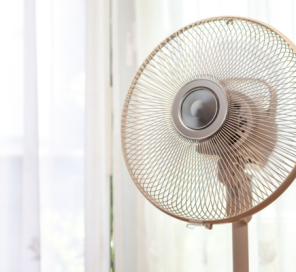
- Adding blinds or a fan to manage heat and airflow.
- Keeping the room a little warmer during colder months.
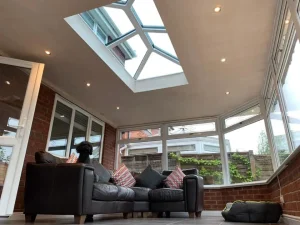
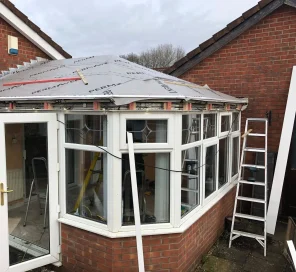
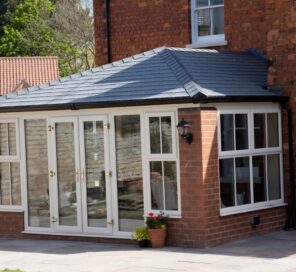
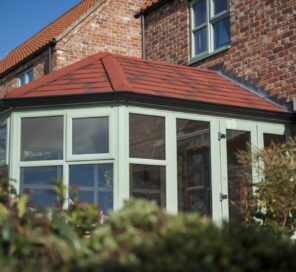
These tweaks can help for now, but they don’t fix the root of the problem. If your conservatory has a glass or polycarbonate roof, the temperature will always swing from one extreme to another. A conservatory roof replacement is the most effective way to stabilise the temperature, reduce glare, and create the ideal growing environment for your plants all year round.
Until then, choosing plants that can handle both heat and cold will make life a little easier.
What Plants are Good for Conservatories?
Some plants will always handle the highs and lows of a conservatory better than others. Choosing species that suit your space makes a huge difference, especially if your conservatory tends to get very hot in summer or cold in winter.

Plants That Love the Heat
These are your low maintenance sun lovers. They can handle heat and light without a problem:
- Cacti and succulents such as aloe vera, echeveria, or jade plants thrive in dry, sunny spots.
- Citrus trees like lemon and orange trees enjoy warmth and add a lovely scent to the room.
- Bougainvillea loves full sun and rewards you with bright, colourful flowers.
- Geraniums and hibiscus cope well with strong sunlight and bloom beautifully in warm conditions.

Plants That Cope With the Cold
If your conservatory gets chilly, these plants are more forgiving:
- Ferns like Boston or maidenhair varieties prefer cooler, moist air.
- Camellias flower through winter and don’t mind cooler temperatures.
- Peace lilies adapt well to low light and uneven conditions.
- Spider plants are hardy and handle temperature swings surprisingly well.

Reliable All Rounders
If your conservatory goes through big seasonal changes, these are the safest options:
- Palms such as kentia or parlour palms bring a tropical feel but cope well with change.
- Ficus (rubber plants or weeping figs) are easy to care for as long as you don’t overwater.
- Orchids like phalaenopsis varieties prefer steady warmth but can handle some variation.
- Aloe vera stays green year round and is great for air purification.
A mix of these will help keep your conservatory looking lush from season to season, even when the temperature outside is unpredictable.
How to Keep Plants Alive in a Conservatory
Even with the right plants, a little care goes a long way. Conservatory plants need some extra attention compared to those in other rooms because of how much the environment changes.
Here are a few easy habits that help:
- Move plants around depending on the season. In summer, keep them away from direct sunlight; in winter, move them closer to the light.
- Water carefully. Plants dry out faster in summer but need far less in winter. Check the top inch of soil before watering.
- Add humidity. Misting or placing a shallow tray of water nearby can stop leaves from drying out when the air gets too dry.
- Keep an eye out for pests. Warm conservatories attract bugs like spider mites and aphids. Wipe leaves occasionally and remove damaged ones.
- Prune and clean. Dead leaves and old flowers attract pests and stop new growth. A quick tidy every few weeks keeps plants healthy.
If you want your plants to stay happy without the constant battle against temperature swings, consider improving the space itself with better insulation. You can learn more about this in our guide to insulating a conservatory roof.
How to Create a Plant Friendly Conservatory
If you really want your conservatory to become a healthy, green space, you need a stable temperature all year. That’s where the roof plays a huge part.
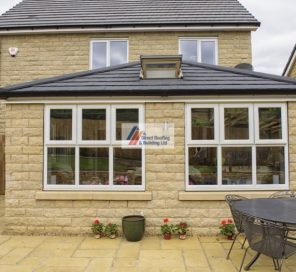
Replacing your existing roof with a conservatory roof replacement can completely transform the space. It helps control temperature, reduces glare, and prevents condensation, giving your plants a comfortable environment to grow in.
Once you make that change, you’ll notice:
- The soil stays moist for longer, so watering becomes easier.
- Leaves stay greener and healthier.
- You can grow a wider variety of plants, even tropical ones.
- The space feels like part of your home rather than an add on you can only use in summer.
If you’re curious about how much this kind of project costs, you can read our guide on conservatory roof replacement prices in 2025.
Get in Touch With Direct Roofing Today
When your conservatory is properly insulated and designed for comfort, it becomes a true extension of your home. It’s a place where you can relax with a coffee, read a book, or simply enjoy your collection of healthy plants.
If your conservatory is too hot in summer or freezing in winter, the solution might not be new plants, it might be a new roof. Direct Roofing & Building can help you create a space that stays comfortable and bright all year round with a professional conservatory roof replacement.
With a conservatory roof replacement, your space can finally become the perfect environment for your plants to grow strong and stay healthy all year round.
Conservatory Plants FAQs
1. Why are my conservatory plants dying?
It usually comes down to temperature extremes. Most conservatories get far too hot in summer and too cold in winter, which stresses plants and stops them growing. Light, watering, and humidity also play a part, but the main issue is the environment itself.
2. What plants survive best in a conservatory?
Resilient species like palms, aloe vera, succulents, ficus, and spider plants tend to do best. They can handle the changing conditions and light levels better than more delicate plants.
3. How do I stop my conservatory plants from drying out?
Keep them out of direct sunlight during hot spells, water when the top layer of soil feels dry, and add humidity with a small water tray or misting spray.
4. What are the best plants for a conservatory that’s hot in summer and cold in winter?
Go for hardy all rounders such as ferns, peace lilies, and citrus trees. They’re more tolerant of the temperature swings that many older conservatories experience.
5. How can I make my conservatory better for plants?
Add shading, improve ventilation, and make sure plants get enough natural light. For the best results, consider a conservatory roof replacement to keep the temperature consistent and create the perfect space for your plants year round.
 OUR BLOG